Calves, Cherubs, and Half Sheqels
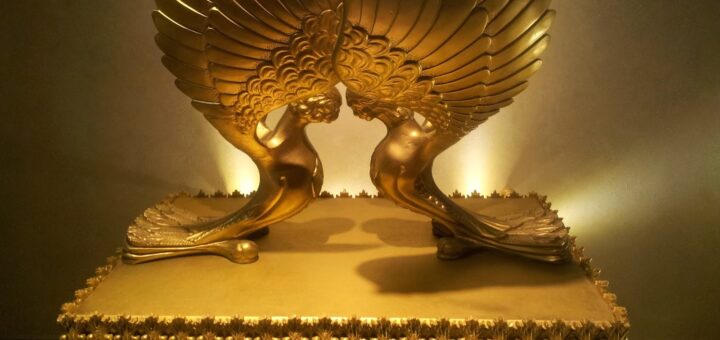
Why is it that in last week’s parashah (Ki Sisa) we read all about the sin of the eigel hazahav but this week’s parashah we read about the mitzvah of making two keruvim atop the aron? Why...
Why is it that in last week’s parashah (Ki Sisa) we read all about the sin of the eigel hazahav but this week’s parashah we read about the mitzvah of making two keruvim atop the aron? Why...
When the Jews reached the Red Sea and saw the Mitzriyim catching up, “וַיִּֽירְאוּ֙ מְאֹ֔ד וַיִּצְעֲק֥וּ בְנֵֽי־יִשְׂרָאֵ֖ל אֶל־ה’ — they became very fearful, and the Benei Yisrael cried out to Hashem.” (Shemos 14:10) Rashi,...
So, I recently noticed that the translation of Unqelus I am using offers “hardened Par’oh’s heart” and the like regardless of whether the original word ויחזק (Aramaic: ואתקף) or another word built from \חזק\...
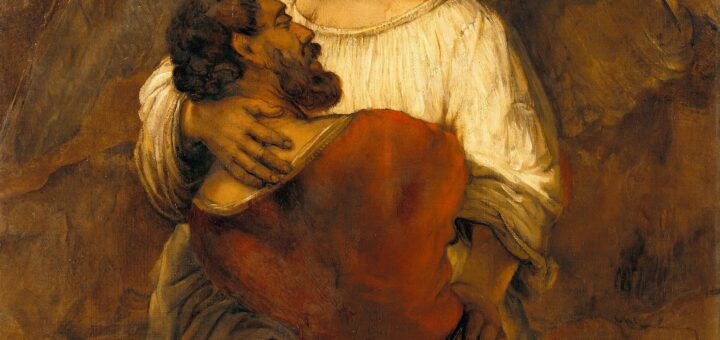
In Vayishlakh, this week’s parashah, Yaaqov Avinu battles an angel. At the end he asks the angel what his name was. The angel answers, “לָמָּה זֶּה תִּשְׁאַל לִשְׁמִי — why is this that you...
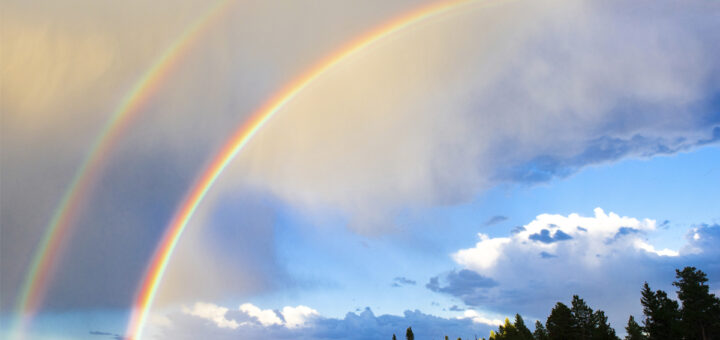
An interesting tidbit from the Seforno on Ber’ 9:13 “vehaysa le’os beris”: Seforno is saying that the rainbow that the sign of the covenant with Noach, which Chazal talk about being a symbol of...
The first is comprised of his final speeches preparing us for “real life” after the Exodus, a world where things can go wrong. The second, included in our parashah, is about how Hashem is...
There are three verbs in pasuq 31 describing the steps in which being saved at the Red Sea impacted the Jews:
vayyar – they saw
vayyir’u – they felt yir’ah (fear / awe)
vaya’aminu – they believed
Parashas BeChukosai begins “אם בחוקוני – If you follow My statutes… ” and continues by promising “I will give you your rain .. in its time.” The reward for following Hashem’s laws is measure-for-measure through...
Parashas Behar opens with the mitzvah of shemittah. The Meshakh Chokhmah’s first two entries on the parashah are about (1) what shemittah implies about how Hashem gave Eretz Yisrael to us and (2) the...
Part of parashas Emor (VaYiqra 22:26-23:44) contains a survey of the holy days of the year. It is well known because it is also read on the first day(s) of Sukkos and in the...